
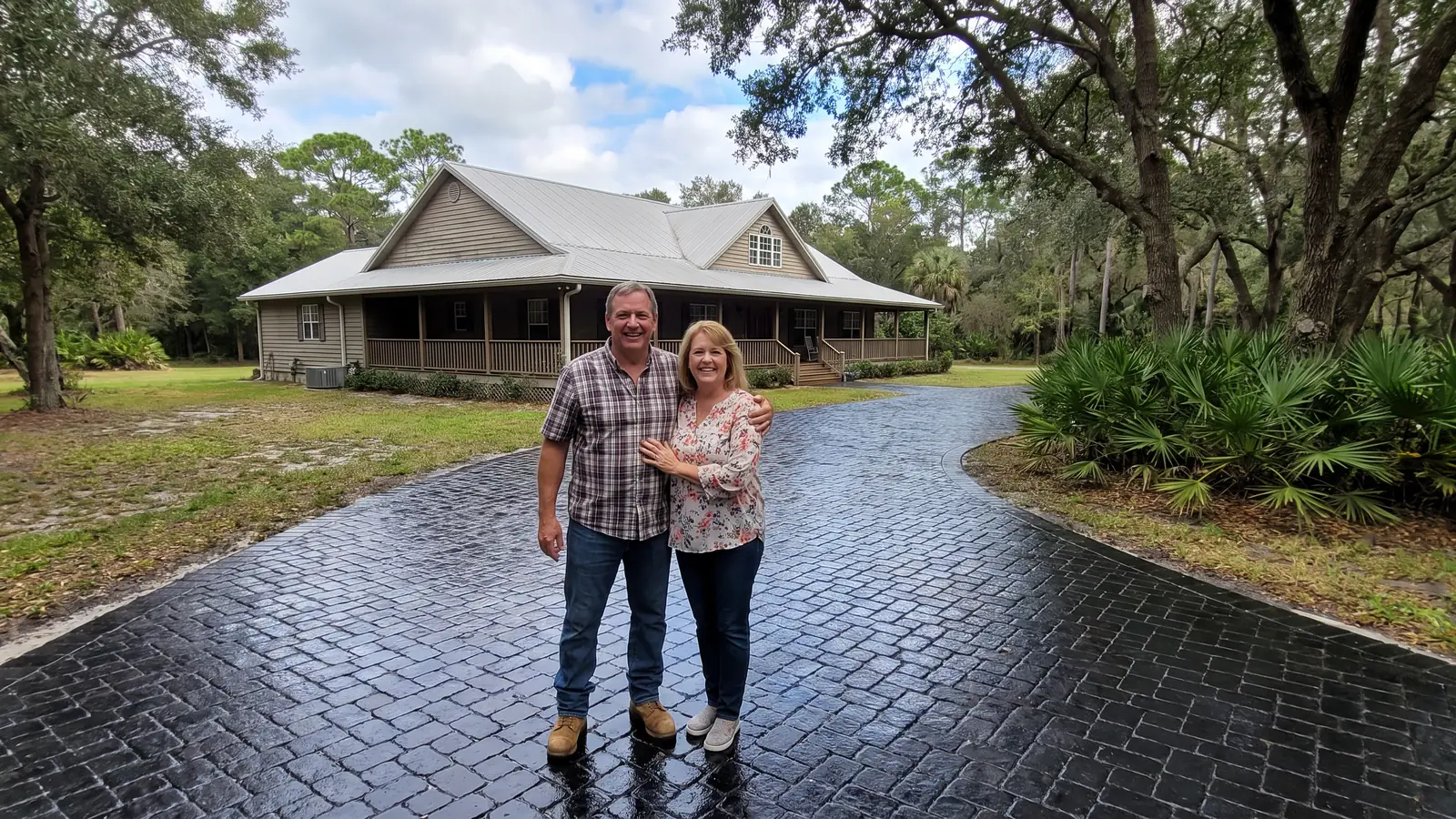
Paver sealing for Cedar Hills homes
Paver Sealing in Cedar Hills, FL
Cedar Hills ranch homes have wide front walks and back patios, so call (904) 842-3763 for a free sealing estimate.
- Brings out deeper paver color
- Fresh joint sand helps lock pavers in place
- Gives weeds less room to grow
- Makes the surface easier to keep clean
- Free estimate, no obligation
Request a Free Estimate
Free, no obligation.
Fast, careful paver sealing in Cedar Hills
Paver sealing is available across Cedar Hills, from the streets near Blanding Boulevard to the lanes off Lane Avenue. A local contractor cleans, re-sands and seals driveways, front walks, patios and pool decks, and the estimate is free. Should you ask for a free estimate online, a reply arrives within 1 business day, usually much sooner.
Maybe the patio behind your sliding doors has turned a flat gray, and the front walk has green edges where the lawn sprinkler lands. After a wash, new joint sand and a fresh coat, the pavers go back to one clean color you can see from the street. To talk it through first, call (904) 842-3763 and tell the contractor what your ranch house has.
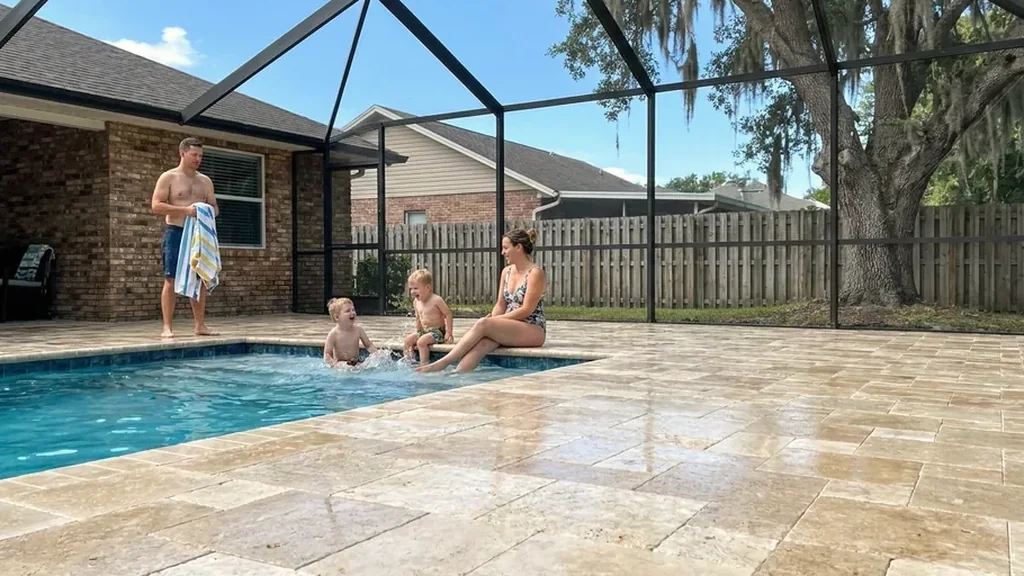
Why hire a local paver sealing contractor in Cedar Hills?
Cedar Hills was built as a neighborhood of single-story ranch homes with big yards, wide setbacks and drainage ditches. People here pick a local contractor who understands that layout, so ask for a free estimate online to hear how it plays out on your lot.
See it before you pay
A contractor visits your Cedar Hills home, looks over the walk, drive and patio, and quotes a price. No charge for the visit.
Rates that are public
The region's published range for a clean, sand and seal is $1.75 to $3.25 per square foot, so you can test any number you hear.
Sized to a ranch layout
Single-story homes spread out, with long front walks and rear patios. The quote breaks the job into those areas.
No pressure, no deadline
You choose the day and the look. Turning down the estimate carries no obligation.
Get Your Free Estimate in Cedar Hills
Tell us about your pavers in Cedar Hills.
Free, no obligation
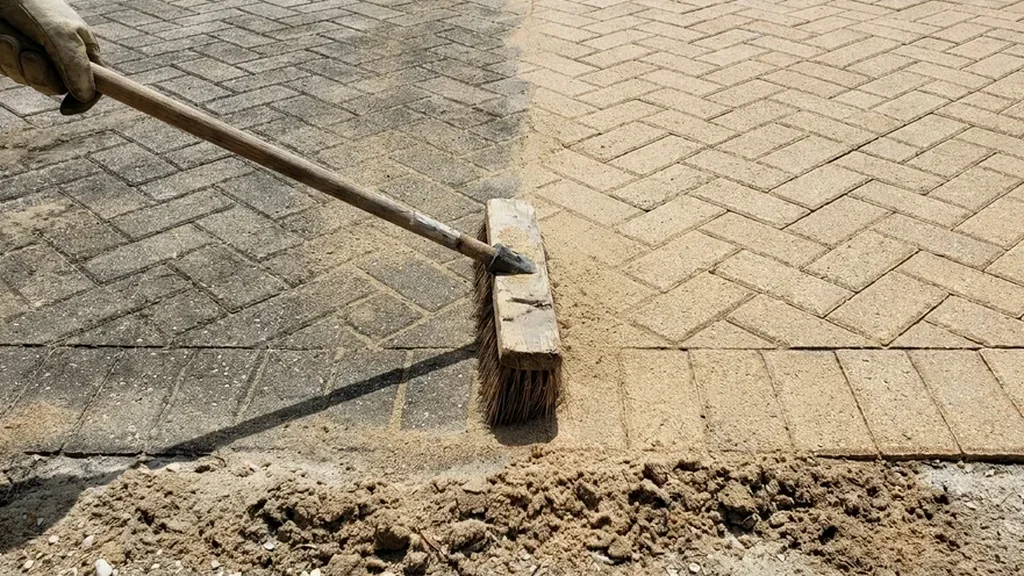
What paver problems show up most in Cedar Hills?
Long front walks gone gray
Cedar Hills lots usually have large frontages and wide front setbacks, so many walks and aprons are longer than average. That is a lot of paver surface sitting in sun, rain and sprinkler spray. Dirt and gray film build up where water pools, and a quick clean and coat can bring the color back. Edges along the lawn turn green first, which means the stripe next to the grass is a good place to look for trouble. Sealing afterward helps the next season's dirt rinse off instead of soaking in. With wide setbacks, a front walk can run a long way from the street to the door. MetroJacksonville counts about 3,000 single-family homes here, so many of your neighbors have the same walk.
Ditch and canal dampness
MetroJacksonville notes that Cedar Hills has a large network of drainage ditches and canals. Ground near a ditch can stay moist, and damp, shaded pavers grow moss and algae. Landscape trade guidance says treatments help less where pavers stay wet and shaded. If a back corner of your patio never dries, tell the contractor early. It may need more time to dry before sealing, and the date can shift to match. Cedar Hills was laid out with ditches and canals running behind many lots.
Open joints around the patio
The USDA says the Ortega soil series is fine sand more than 80 inches deep with rapid permeability. Sandy ground drains quickly, and a hard summer rain pulls joint sand out just as fast. Empty joints let weeds in and let the pavers rock. Refilling the sand before sealing is a standard step, and it is why a sealed patio holds its lines.
Roof runoff and rust spots
Single-story roofs shed a lot of water along the low eaves of a ranch house. Where a gutter spills onto a walk, pavers can show dark streaks or sand loss. Irrigation from a well can add orange rust marks, since University of Florida extension says most Florida well water is high in iron. Sealer would lock those marks in if they are not treated first. Pointing the spray heads away from the pavers afterward helps keep them from returning.
Cloudy sealer from an earlier job
A Jacksonville paver company says nearly every complaint about white sealer traces to sealing damp pavers or laying it on too thick. A past owner's coat may show that haze, and a coat of unknown type limits what can go on top. The contractor looks the surface over before picking a product. Many Cedar Hills homes date to the 1950s and 1960s, so several owners may have had a hand in it.
Do the Cedar Hills subdivisions need different paver care?
Not hugely, but each section has its own traits. Cedar Hills has about 3,000 brick or concrete block homes in seven neighborhoods, most built in the 1940s and 1950s. That means many pavers here were added later, over patios and drives that began as plain concrete. When you ask for a free estimate online, say which part of Cedar Hills you live in.
Sweetwater, near I-295 and Wilson Boulevard, was developed from 1949 to 1953, and its streets carry names like Luke, Matthew and Mark. In Cedar Hills Estates, homes were built between 1955 and 1971. Many streets there have no HOA, which means you pick your own sealer and finish, and a home from around 1960 may have had the same walk for decades. Call (904) 842-3763 to talk through the options.
The Cedar River, which locals call Cedar Creek, runs along the neighborhood before joining the Ortega River. Many homes on the river side have been expanded or replaced with much larger houses, and a bigger house can mean a bigger patio. Larger layouts take more time to clean and seal, and a patio near the water may stay damp longer. Ask for a clear square-foot total when you ask for a free estimate online, so you can compare it to the published range.
Cedar Hills Estates has a street grid with no cul-de-sacs, as a 1959 aerial shows, and ranch homes went up along Jammes Road that year. Straight streets and wide frontages mean long, simple runs of walk and apron. Those are easy to measure, so a quote can be exact when you ask for a free estimate online.
What does paver sealing cost in Cedar Hills?
The rate you will see listed around here for a clean, sand and seal is $1.75 to $3.25 per square foot. A Cedar Hills ranch usually adds up three areas: the drive, the front walk and the patio. Green growth, an old coat or empty joints push the figure around inside the range. For a price on your walk and patio, ask for a free estimate online; the estimate is free.
Access also plays a part. Gates, steps and tight side yards add setup time, and small jobs cost more per square foot because setup does not shrink with the surface. Wide Cedar Hills drives are usually easy to reach, but a fenced back patio may not be. Call (904) 842-3763 to find out which of those fit your lot.
| Paved area | Typical example | Clean, sand and seal |
|---|---|---|
| 300 sq ft | Small patio or walkway | $525 to $975 |
| 600 sq ft | Two car driveway | $1,050 to $1,950 |
| 1,000 sq ft | Large driveway or pool deck | $1,750 to $3,250 |
| 1,500 sq ft | Driveway plus pool deck | $2,625 to $4,875 |
Math based on the $1.75 to $3.25 per square foot that Northeast Florida paver companies publish. Your contractor sets the actual price after seeing the surface. Repairs, leveling and stripping failed sealer are usually extra.
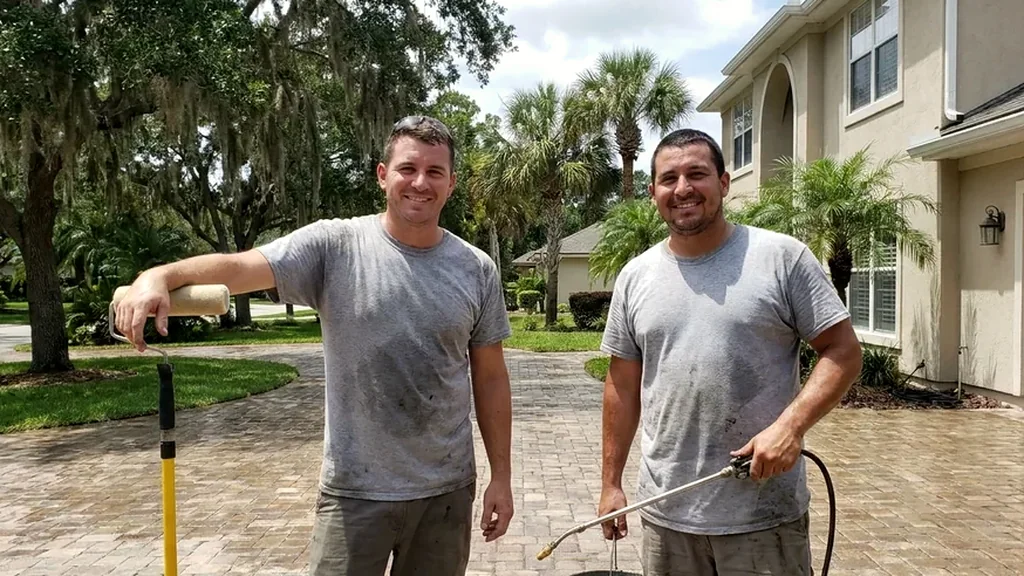
How does a paver sealing job work in Cedar Hills?
Start at the front walk
The first look begins where visitors do, at the street and the front walk, and moves through the drive to the patio behind the sliding doors. Notes are made on tilted pavers, stains, weeds and any sealer already there. Its type limits what can go on top. You then hear the plan and the number, with room for questions.
Lift the gray and the green
Washing takes off dirt film, algae and leaf stain. Rust spots from sprinklers get a pre-treatment so they do not stay beneath the coat. The rinse is aimed away from brick or block walls, window frames and the ditch at the back of the lot. A patio under a tree takes longer than one in open sun.
Top up the joints
Cleaning pulls the sand from between the pavers, so silica sand is swept back in before sealing. Fine, fast-draining ground like Duval County's lets joints empty quickly, and open joints invite weeds. Once the joints are full and swept, the surface is checked for low spots one more time.
Hold for a dry window
Sealer will not behave over a damp surface. Summer in Jacksonville brings short, hard downpours, and a patio near an oak or a screened lanai can stay wet long after the drive is dry. The contractor waits for a clear window because damp pavers can turn the sealer white.
Roll on the coat
The sealer is sprayed, then back-rolled to push it into the joints and even it out. Brick and block ranch fronts often look best in matte, while a back patio can take a wet look. Foot traffic is usually fine within hours and cars need about a day, so move vehicles to the street.
Complete paver services in Cedar Hills
For a ranch home the work is easiest to picture room by room. The front walk is washed and sealed first, then the drive, then the patio off the back. Each area gets the same four steps, in the same order, so the finish matches from one to the next. To ask about a plan for your lot, call (904) 842-3763.
Not every paver at a Cedar Hills house wears the same way. Drives hold tire marks, front walks take the sprinkler and the patio gets chairs, grills and fallen leaves. Walks beside a ditch can stay damp, and the wash is adjusted for that. Describe what you have when you ask for a free estimate online.
Two choices shape the look: water-based or solvent-based sealer, and matte or wet look. A matte coat suits brick and block fronts, because the pavers do not outshine the house. A wet look makes a rear patio glow, but it shows scuffs sooner. Call (904) 842-3763 to compare the two for your pavers.
Weather decides the day. Short summer storms can push a job back, and the drier months from fall to spring give the longest open windows. A patio under an oak may need a day longer than a sunny drive. For a date that works on your street, ask for a free estimate online.
Questions to ask before you hire
- What does the written estimate list if my pool deck has two kinds of pavers?
- Can you seal a screened lanai floor and the steps in the same visit?
- If I live outside town on a long dirt drive, is there a trip charge?
- Is the quote one price for wash, sand and seal, or are they billed apart?
- How much will a satin or wet look finish change the color of my pavers?
- How many days do I need to leave open for the job and the cure time?
- Can you clean off the rust stains from my well water sprinklers?
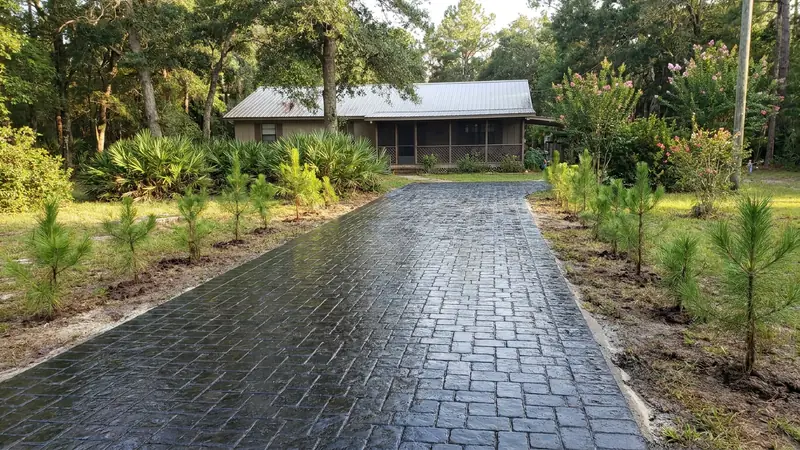
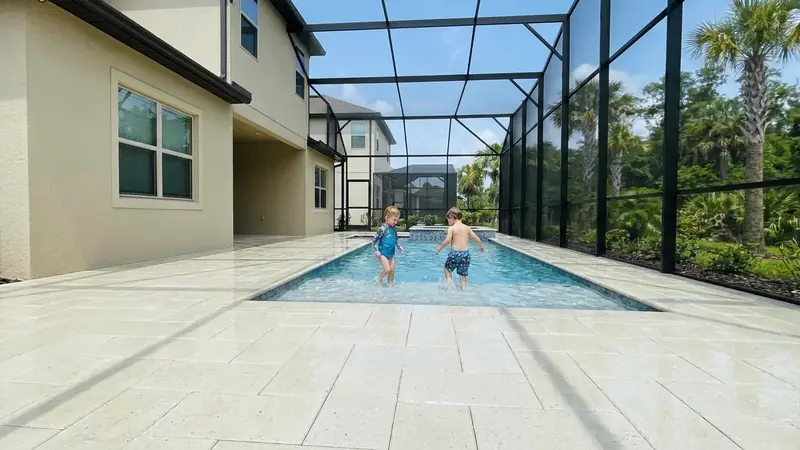
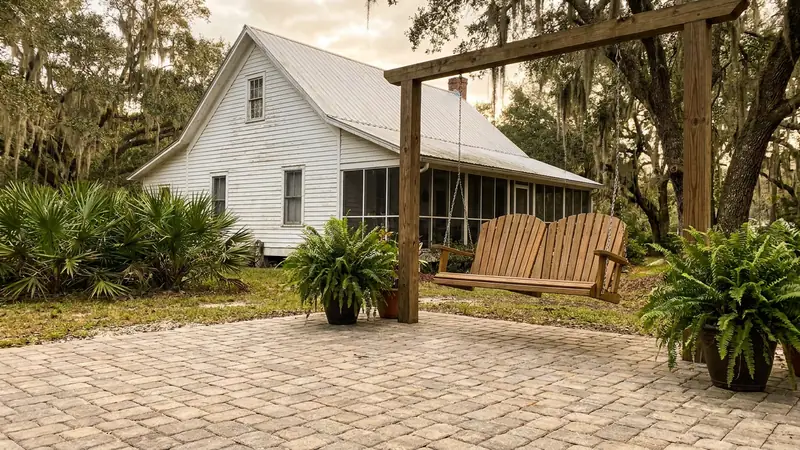
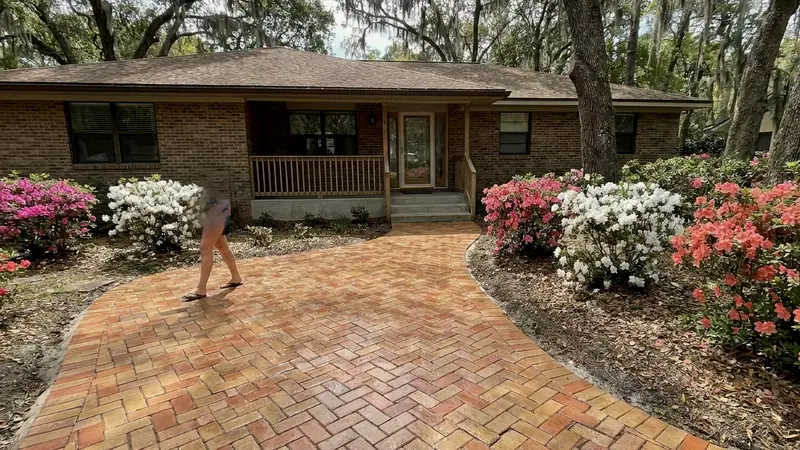
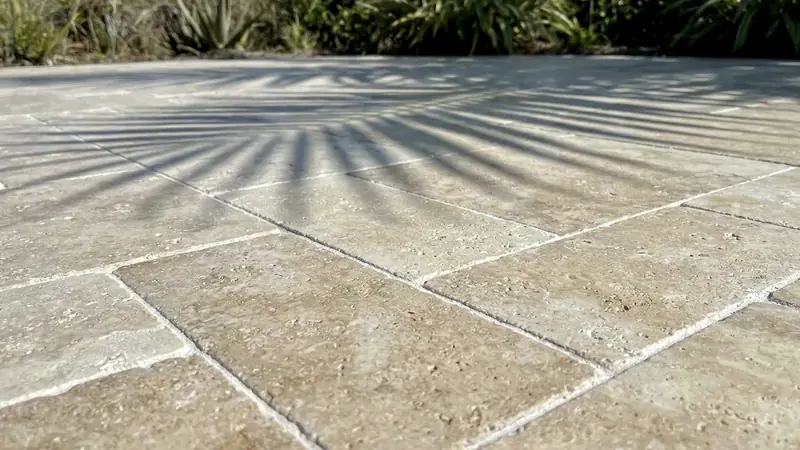
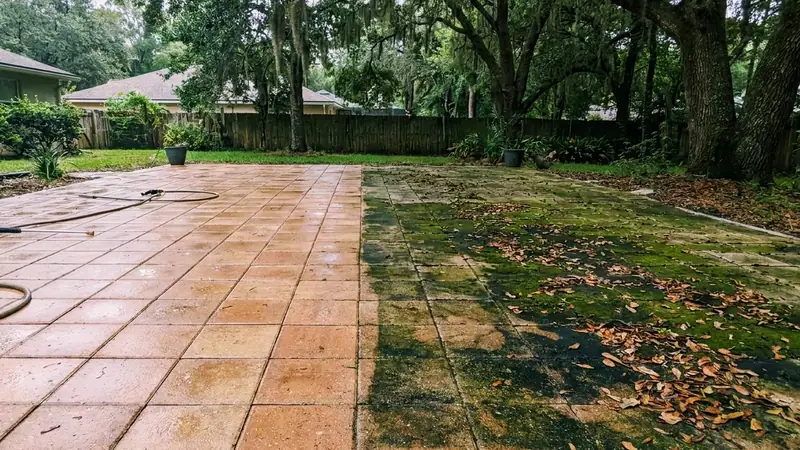
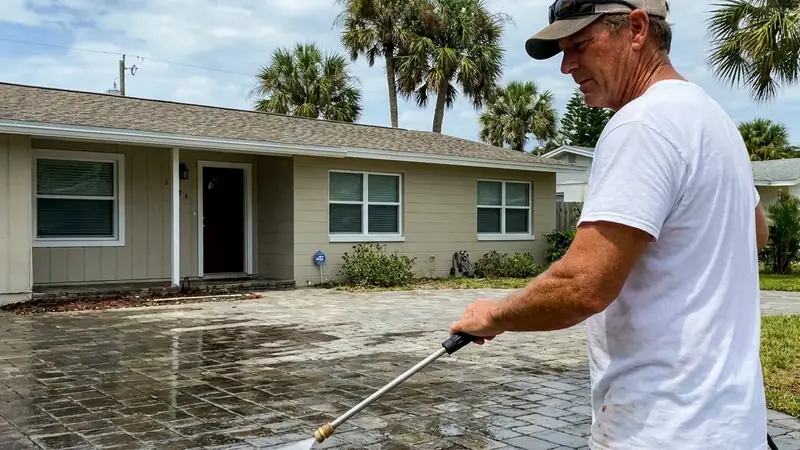
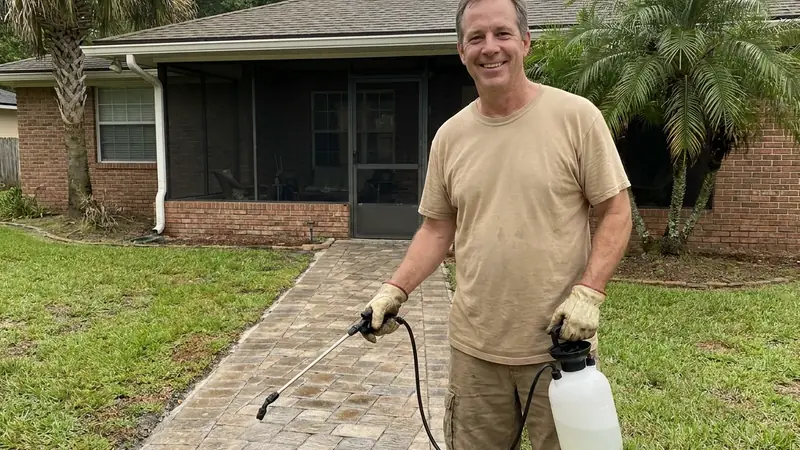
What do sealed pavers look like around Cedar Hills?
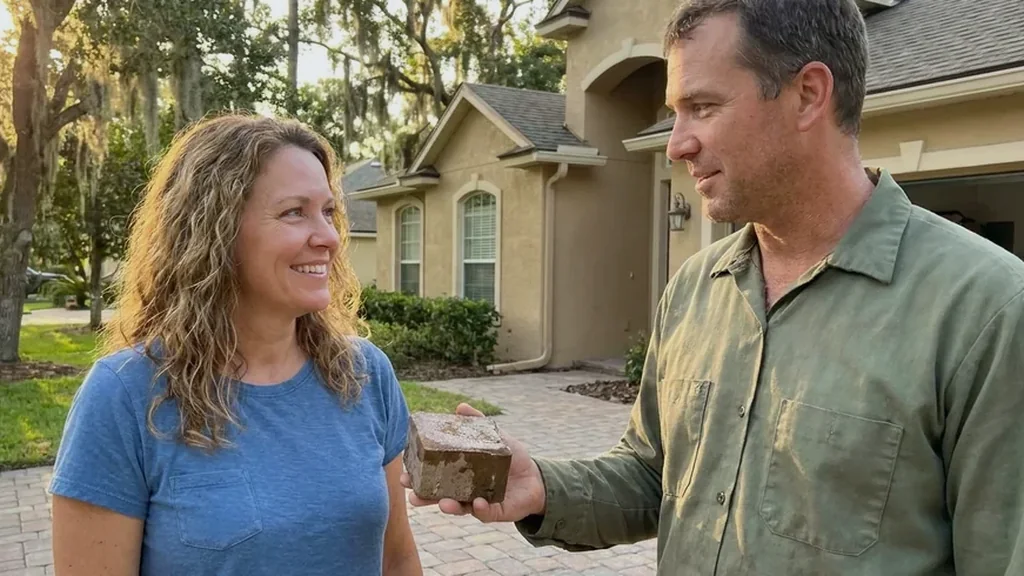
Why local matters in Cedar Hills
A contractor who knows Cedar Hills expects wide frontages, long front walks and patios behind sliding glass doors. Those details change how much surface there is to wash and how the crew moves around the house. Someone who has never worked a ranch-style neighborhood may miss them, and the quote can come out wrong. For a contractor who works the Westside, call (904) 842-3763 and ask.
Local knowledge helps with water, too. Ditches and canals run through the neighborhood, so some yards drain well and others hold moisture. A contractor who has worked here checks the damp corners first, since pavers next to a ditch may need longer to dry. You can ask for a free estimate online and ask how the plan changes near a ditch.
Many homes date to the 1940s and 1950s, and each has seen updates since. A local contractor can tell a patio laid last year from a walk that has carried the same coat for a decade. If you are unsure, ask for a free estimate online and describe what you have, with no obligation to hire anyone.
Streets here carry storybook names like Mother Goose Road and Peter Pan Place, and Harlow Boulevard ties them to Blanding Boulevard and 103rd Street. A contractor who knows those routes can find your house and plan the day without a long phone call. To book a visit, call (904) 842-3763.
What should a Cedar Hills homeowner know about the area?
Cedar Hills grew in the 1940s and 1950s as Jacksonville moved from an urban city toward a suburban one. Back in 1955 the area gained one of Jacksonville's first big shopping districts outside Downtown. The Cedar Hills Shopping Center covers 282,000 square feet, and Anchor Plaza on 103rd Street came later. If you live near it and want a walkway quote, ask for a free estimate online.
The neighborhood's schools and civic buildings tell the same story. Cedar Hills Elementary opened for the area in 1956, and a National Guard armory from 1957 became the Mary Lena Gibbs Community Center. Cedar Hills Park has a public pool and a footbridge that links nearby backyards to the grounds, a small detail that shows how closely the lots here sit to shared space. If you are close to the school, the park or the shopping center, call (904) 842-3763 and give your street.
ZIP 32210, which includes Cedar Hills, counted 66,415 residents in the 2020 Census on 21.89 square miles of land. Cedar Hills Park, with its public pool, links to backyards by a pedestrian bridge. Neighbors share fences, ditches and shade trees, so what shows in one yard shows next door. If you want to start, ask for a free estimate online.
Jefferson Davis Middle School was finished in 1961, and Cedar Hills Baptist Church on Jammes Road went up in 1960. The neighborhood was largely built by then, so any pavers here were added after that. If you live near either building, call (904) 842-3763 and give your street.
Frequently Asked Questions
Is sealing pavers worth it in Cedar Hills?
For most homes, yes. A coat protects against sun fade and stains and helps hold the joint sand in place. Cedar Hills patios and walks take sun and summer rain, so it pays off, though it needs renewing every few years.
How often should pavers be sealed in Cedar Hills?
Companies commonly quote a span of two to five years before a recoat. Shade from oaks, full sun and daily car traffic push you one way or the other. A quick test helps: beading water means the coat still works.
What is the average cost to seal pavers in Cedar Hills?
Companies in this region commonly publish $1.75 to $3.25 per square foot for a clean, sand and seal, and Cedar Hills jobs are measured against that. A failed old coat means strip and reseal, which is priced higher. Only a look at your own surfaces gives the true figure.
Why is paver sealing so expensive around Cedar Hills?
Most of the labor goes into prep, with the sealer itself the smaller share. Cleaning, refilling joints and removing failed sealer take hours. A long front walk and a big patio add area to the bill.
What will it cost to get my Cedar Hills pavers cleaned and sealed?
The rate you will see listed around here for a clean, sand and seal is $1.75 to $3.25 per square foot. Get the total square footage in writing before you agree. A small patio and a two-car drive land in different places on the range.
Does a drainage ditch behind my Cedar Hills home change how pavers should be sealed?
It can. Cedar Hills has a large network of drainage ditches and canals, and ground near them may stay damp. Damp, shaded pavers grow moss and algae, and sealer needs a fully dry surface, so the date may move.
Can I seal over a coat a previous Cedar Hills owner put down?
Sometimes. Because water-based sealer cannot go over solvent-based sealer, the old coat is checked before anything new is chosen. A coat that peels or looks cloudy may have to come off first.
What if my Cedar Hills pavers have sunk in places?
They are reset before sealing, since sealing over a dip would keep the problem in place. Roots, runoff from the low eaves and soft ground are common causes. Mention low spots at the first visit so they are priced in.
How soon can I use my Cedar Hills patio or drive after sealing?
A Jacksonville sealing company puts walking at a few hours after the coat and cars at about a day. The product and the weather change that. Ask for the exact wait on the one being used.
Will sealing make my brick or block ranch pavers look glossy?
Only if you pick a wet look. Matte keeps a natural finish, and a wet look deepens color but shows scuffs sooner. Switching later generally means stripping the old sealer.
Does living along the Cedar River change what my pavers need?
It can. Many homes on the Cedar River shore have been expanded or replaced with much larger houses, and bigger houses often bring bigger patios. Ground near the water can stay damp, so the contractor may allow extra drying time before sealing.
Do I need HOA approval to seal pavers in Cedar Hills?
Often not. Many Cedar Hills Estates streets have no HOA, so the finish is your choice. If your street does have one, check its rules first and tell the contractor when you ask for the estimate.
Nearby areas we serve
Ready for a Free Estimate in Cedar Hills?
Call (904) 842-3763 and tell us about your pavers.
Free, no obligation