
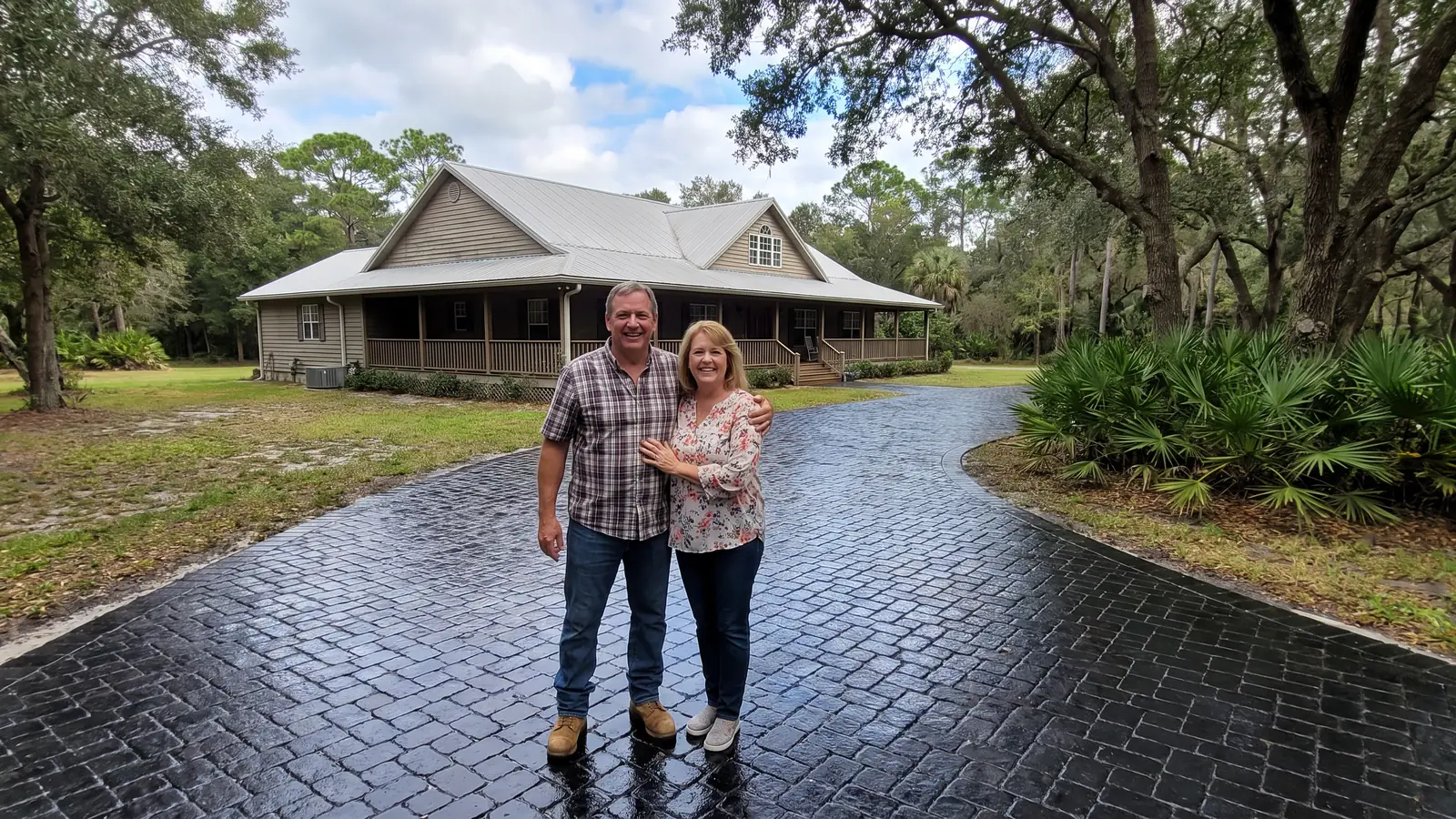
Paver sealing for Panama Park homes
Paver Sealing in Panama Park, FL
Panama Park homes under old oaks can get pavers cleaned and sealed, with a free estimate at (904) 842-3763.
- Brings out deeper paver color
- Fresh joint sand helps lock pavers in place
- Gives weeds less room to grow
- Makes the surface easier to keep clean
- Free estimate, no obligation
Request a Free Estimate
Free, no obligation.
Fast, careful paver sealing in Panama Park
Panama Park homeowners can get paver sealing with a free estimate, whether the pavers are on a driveway, a front walk or a back patio. A local contractor washes them, packs fresh sand into the joints and rolls on the sealer. Phone (904) 842-3763 and a reply comes within 1 business day, usually much sooner.
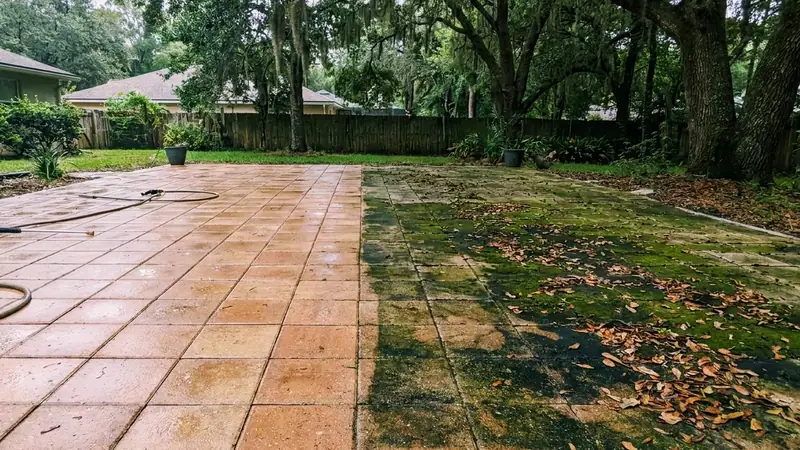
Maybe your front walk has gone green under an old oak, and the drive has dark tire lines and weeds along the seams. A wash, new sand and a coat of sealer bring the color back to something even. If you would rather write than call, you can ask for a free estimate online and describe what you see.
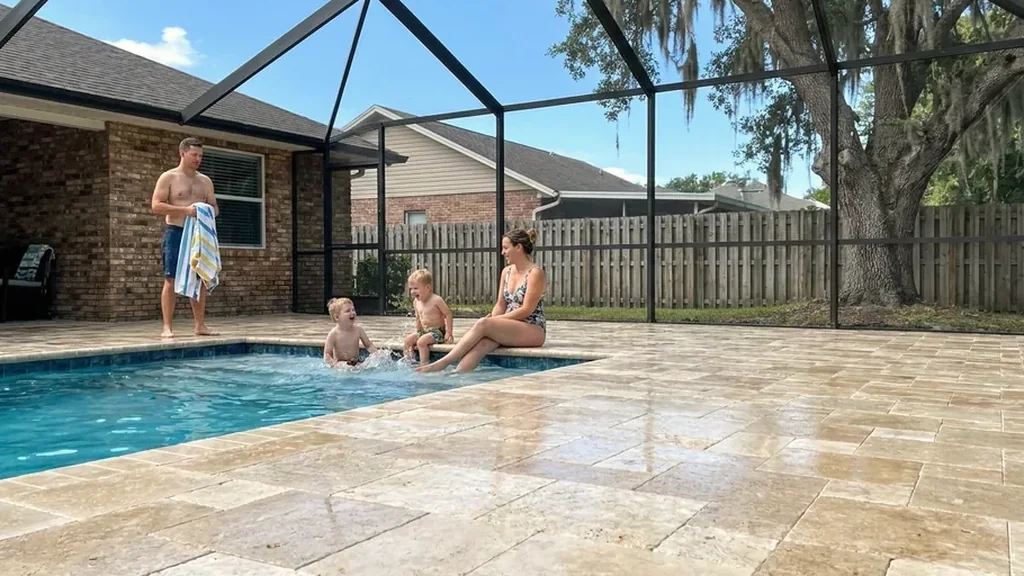
Why hire a local paver sealing contractor in Panama Park?
Panama Park is an old railroad suburb with tall shade trees and a wide river nearby, and those details shape every paver job. To hear how that applies to your street, ask for a free estimate online.
A look at no charge
A contractor walks your Panama Park yard and prices the work before you commit. You can say no at any point.
A range to compare
Regional companies commonly publish $1.75 to $3.25 per square foot to clean, sand and seal. Compare any bid to that.
Pick your finish
Choose matte for a quiet look or a wet look for deeper color. Glossy finishes scuff sooner, so weigh how the surface is used.
Your call on timing
You choose the date, and the estimate comes with no obligation. A rain delay moves the job, not your decision.
Get Your Free Estimate in Panama Park
Tell us about your pavers in Panama Park.
Free, no obligation
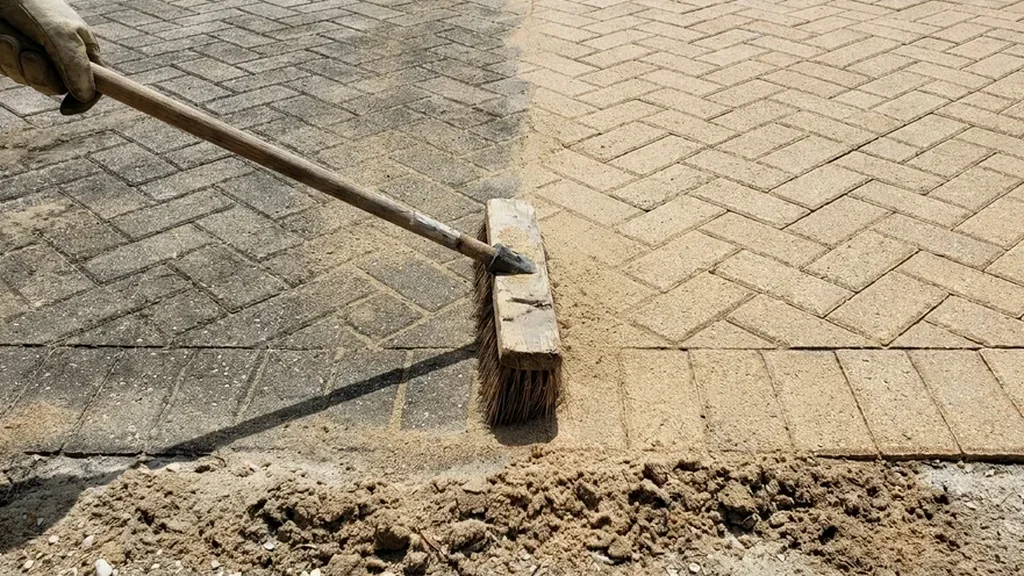
What paver problems show up most in Panama Park?
Old shade trees and green film
An early description of Panama Park counted more than 8,000 trees along its streets, with live oaks among them. Shade holds moisture, and a home guide says green algae grows where shade and damp meet. Landscape trade guidance says algae should not grow on pavers unless shade is heavy. If your walk sits under old branches, the green will return sooner than on an open drive. Sealing after a deep clean slows that return, though shade never fully goes away. Trimming a low branch, where allowed, also lets the surface dry faster after rain. A Main Street storefront and a shady side street can sit blocks apart, and the pavers behind each will age differently. Start with the shaded run, since it tells you the most. The side streets near the park on Buffalo Avenue have the same kind of shade, and the same kind of green film.
Roots that lift a corner
Jax Exterior Cleaning says roots from nearby trees can crack pavers or raise a section. On streets with big oaks, a corner of a walkway may sit higher than its neighbors. Sealing preserves whatever is there, so a lifted or sunken paver is reset first. Point out any trip spot at the first visit, since it changes the plan. A reset takes extra time, and it is better to know that before the day of the job than during it. A level check with a straightedge shows lifts that the eye misses. A contractor brings one on the first visit.
Damp air from a wide river
Where Main Street crosses it, the Trout River is about half a mile wide, and its lower stretch is brackish. Open water that wide is likely to keep nearby air damp on still mornings. Damp surfaces dry slowly, and sealer needs a dry surface, so a morning job near the river may turn into an afternoon one. The contractor may need an extra day to let the pavers dry. That is normal for a lot close to open water, and it protects the finish.
Joint sand that runs off
Duval County sits on sandy soil, and the USDA says the water table in the Ortega series can rise within 48 inches for a day or more after heavy rain. Jacksonville also averages about 52 inches of rain a year, mostly from May to September. Storms pull sand from joints, and open joints let in soil and weeds, which is the start of a weedy seam. Fresh sand and sealer hold the joints together. A joint that is full and sealed sheds water instead of soaking it up, which keeps the base underneath steadier. Walking the drive after a heavy rain shows where water pools and where sand has moved. On sandy ground the effect is quick, and a few storms in a row can empty a seam.
Pavers added long after the house
The original lots here were laid out around 1910, with deed rules that set houses back 25 feet from the street. Driveways and patios were likely added much later. That can leave some surfaces with a coat nobody recorded. Water-based sealer cannot go over solvent-based, so the old product has to be identified. If the coat is peeling or cloudy, expect it to be stripped first. A sealer from an earlier owner could be any age, and it may have been applied to damp pavers.
Do the older Panama Park streets need extra care when pavers are sealed?
Often they do, because the oldest blocks have mature trees and layouts set more than a century ago. George W. Clark began selling lots in 1910, and early covenants held houses at least 25 feet back from the street. Describe your driveway and front walk when you ask for a free estimate online.
Panama Park sits about five miles north of downtown, between the Trout River and the Saint Johns River. ZIP 32208 held 33,286 people and 15,027 housing units in 2020, and owners lived in about 57 percent of the occupied homes. Near North Main Street, in the district that once served as the city's northern gateway, many lots are compact. Call (904) 842-3763 and say what surfaces you have.
Closer to the water, along streets such as Riverside Drive in the old plan, early deeds asked for a higher home value than elsewhere. Those homes tend to sit nearer the river air. That is worth mentioning to the contractor, since damp mornings slow drying. Tell the contractor how close you are to the Trout River when you ask for a free estimate online.
What does paver sealing cost in Panama Park?
Panama Park work is priced against the $1.75 to $3.25 per square foot that regional companies commonly publish to clean, sand and seal. Lot size matters, and so does tree cover. A cost guide says patios under trees need extra cleaning time because algae and leaf stains build up faster. To see where your pavers land, ask for a free estimate online, and the estimate is free with no obligation.
Roots and resets add time as well. A lifted corner has to be put back before sealing, and failed old sealer that has to be stripped sits above the usual range, according to Safe Touch. Call (904) 842-3763 and the contractor can tell you which of these apply to your Panama Park lot.
| Paved area | Typical example | Clean, sand and seal |
|---|---|---|
| 300 sq ft | Small patio or walkway | $525 to $975 |
| 600 sq ft | Two car driveway | $1,050 to $1,950 |
| 1,000 sq ft | Large driveway or pool deck | $1,750 to $3,250 |
| 1,500 sq ft | Driveway plus pool deck | $2,625 to $4,875 |
Math based on the $1.75 to $3.25 per square foot that Northeast Florida paver companies publish. Your contractor sets the actual price after seeing the surface. Repairs, leveling and stripping failed sealer are usually extra.
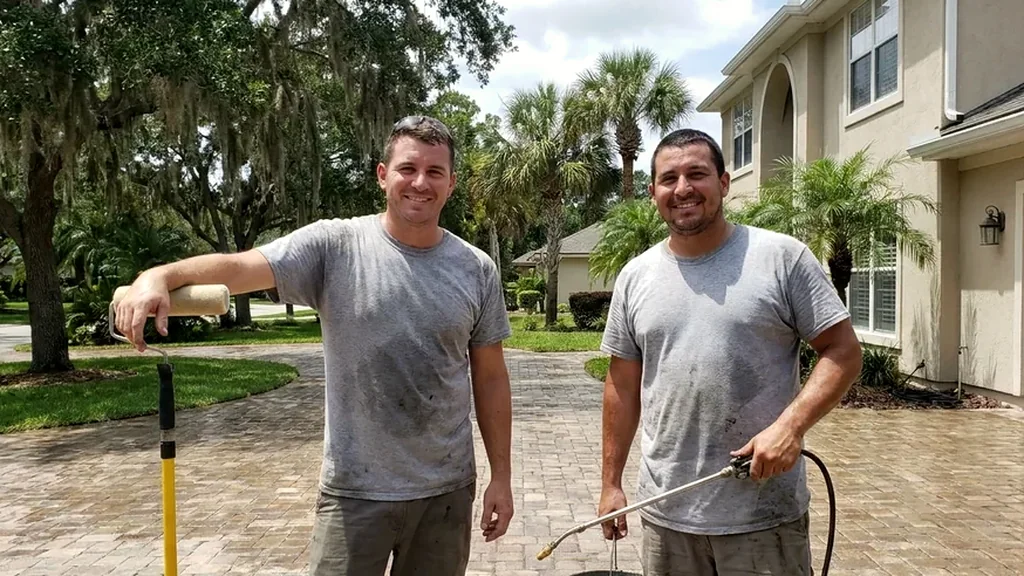
How does a paver sealing job work in Panama Park?
Look the whole lot over
The contractor starts with the pavers and what is around them: oak shade, root lifts, slope toward the street and anywhere water pools. Lifted or sunken sections are reset before sealing, since a coat would preserve them as they are. The contractor also checks for an old sealer, since the two sealer bases will not bond to each other. Share anything you know about earlier work, including who did it and when. Even a guess helps narrow the choices. A walk with you around the front and back takes only a few minutes and settles most questions. The walk through takes only a few minutes, and it answers most questions up front.
Wash with care
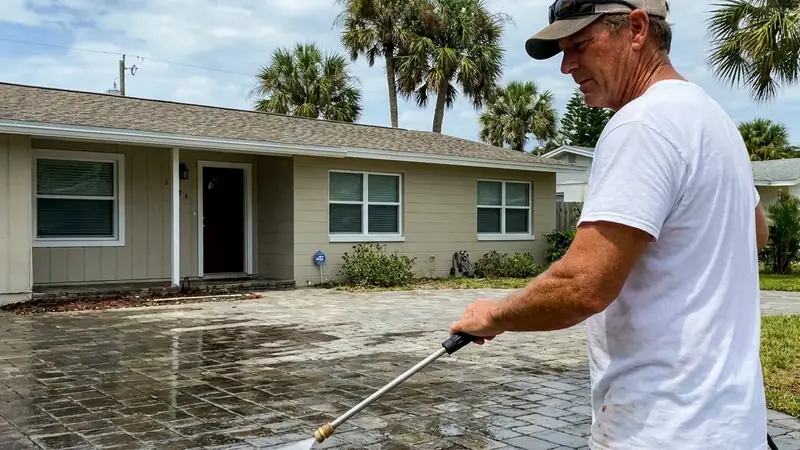
The pavers are cleaned of dirt, green film, leaf stains, oil and tire marks. PaverGuard warns that harsh high-pressure washing can loosen joints and push out sand, so a careful contractor adjusts the wash to the surface and the age of the joints. Marks that go deep may lighten without fully leaving, and oil spots are treated before the main wash. Ask what to expect on your stains. A clean surface bonds better with sealer, which means the coat lasts longer. Moss and leaf stains lift more easily when the surface is wet first.
Fresh sand fills the joints
A wash takes joint sand with it, and on sandy Duval County ground the sand does not stay long anyway. New sand is swept in and packed until the joints are full and level. That keeps soil and weeds out. The coat then holds the sand where it sits. Skipping this step is the most common way a job fails early.
Give it time to dry
Damp pavers can turn white or blotchy under sealer, a Jacksonville paver company says. Under oak shade near the Trout River, drying can stretch past a day. The contractor waits rather than rush a damp surface. A short delay is cheaper than redoing a cloudy coat. A shaded walk on the north side of the house is often the last to dry. A walk on the north side of the house, in shade, may take the longest to dry.
Seal the surface
The coat goes on and is worked into the joints. Your matte or wet look is set at this point. The usual quote for a coat's life is two to five years, less under heavy shade. Ask for the product name, since the next coat should match it. You will be told how long to keep feet and cars off.
Complete paver services in Panama Park
At a Panama Park home the sequence is rinse, fill, dry and coat. Each step sets up the next, so the coat goes down last on a surface that is clean, full of sand and dry. That order keeps dirt from being trapped, and it gives the joints time to settle. To ask how long the steps would take on your property, call (904) 842-3763.
Walkways under old oaks tend to go green first, while driveways pick up oil and tire marks, and both need a clean start. Back patios take furniture, planters and bare feet. Tell the contractor about each surface you have when you ask for a free estimate online.
Panama Park owners face two choices: the base of the sealer and its sheen. Whatever coat already sits on your pavers sets the limits, because the two bases will not bond to each other. Matte suits older homes where you want the pavers to look natural, while a wet look suits a bolder color. Call (904) 842-3763 to talk through the choice for your house.
Rain falls hardest here from May to September. A shaded Panama Park walk may stay damp after a storm that left the sunny drive dry, so the job can be done in two parts. Winter is the driest stretch of the year, and fall is a calm time to book. For a date that suits you, ask for a free estimate online.
Questions to ask before you hire
- What should I see on the finished surface that tells me the job was done right?
- If I live outside town on a long dirt drive, is there a trip charge?
- What does the written estimate list if my pool deck has two kinds of pavers?
- How many days do I need to leave open for the job and the cure time?
- Can you seal a screened lanai floor and the steps in the same visit?
- Is the quote one price for wash, sand and seal, or are they billed apart?
- Can you clean off the rust stains from my well water sprinklers?
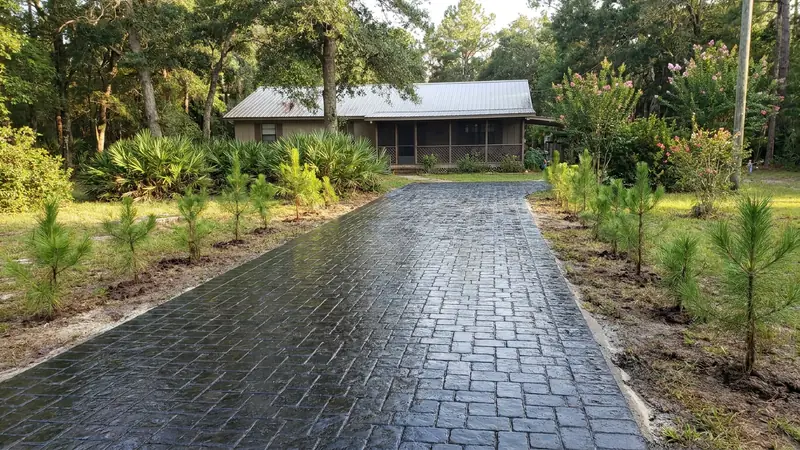
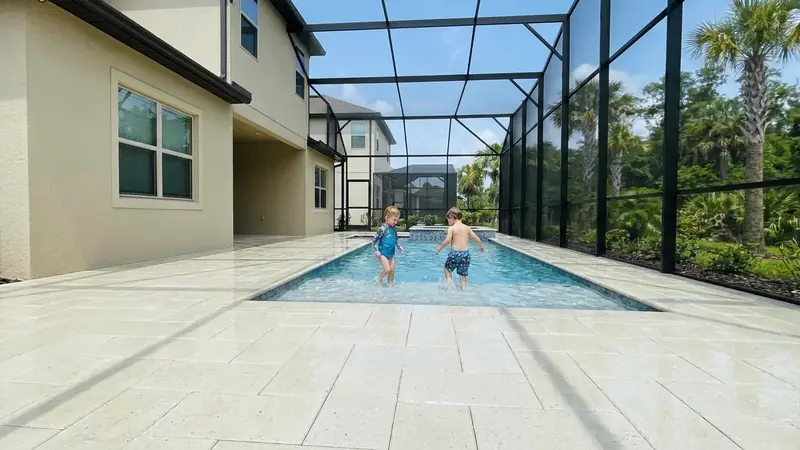
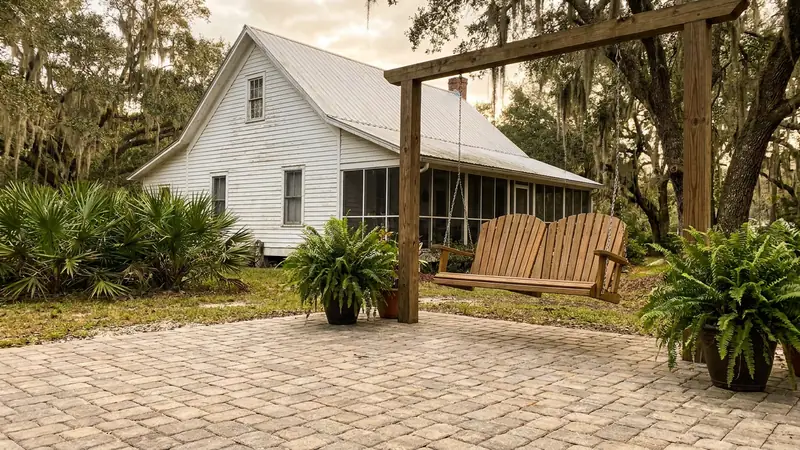
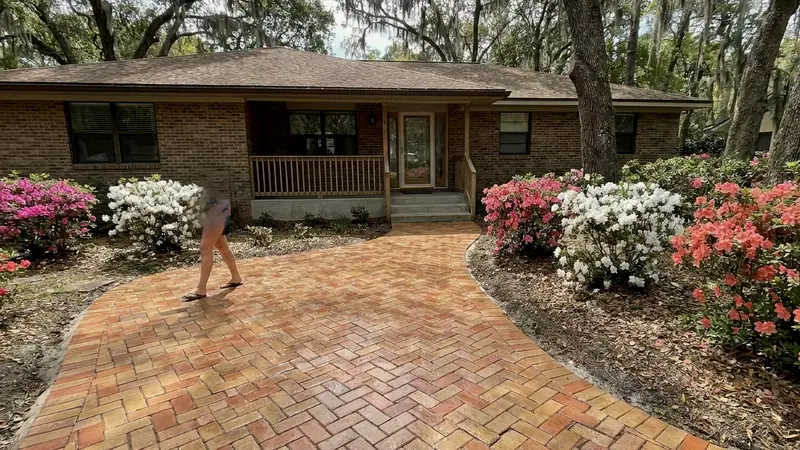
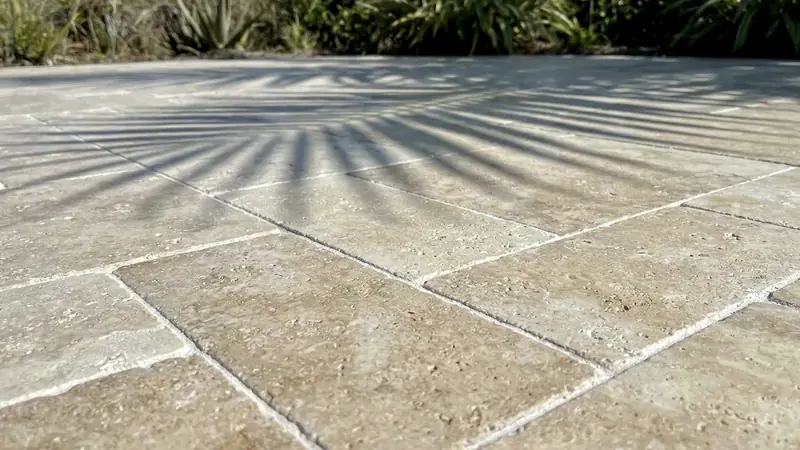
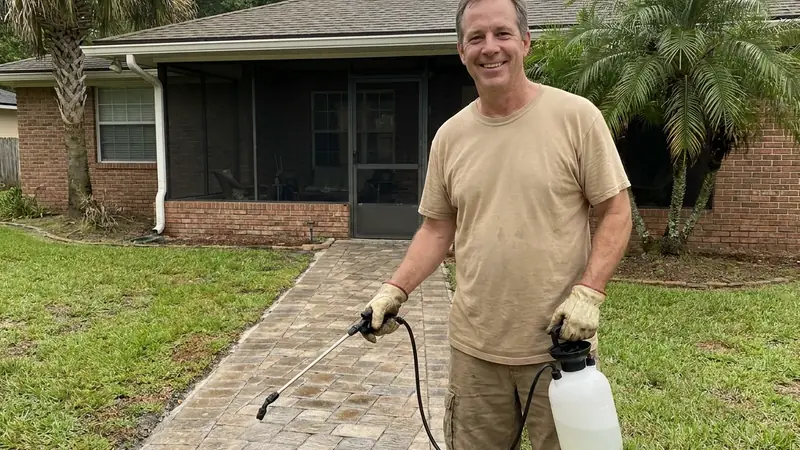
What do sealed pavers look like around Panama Park?
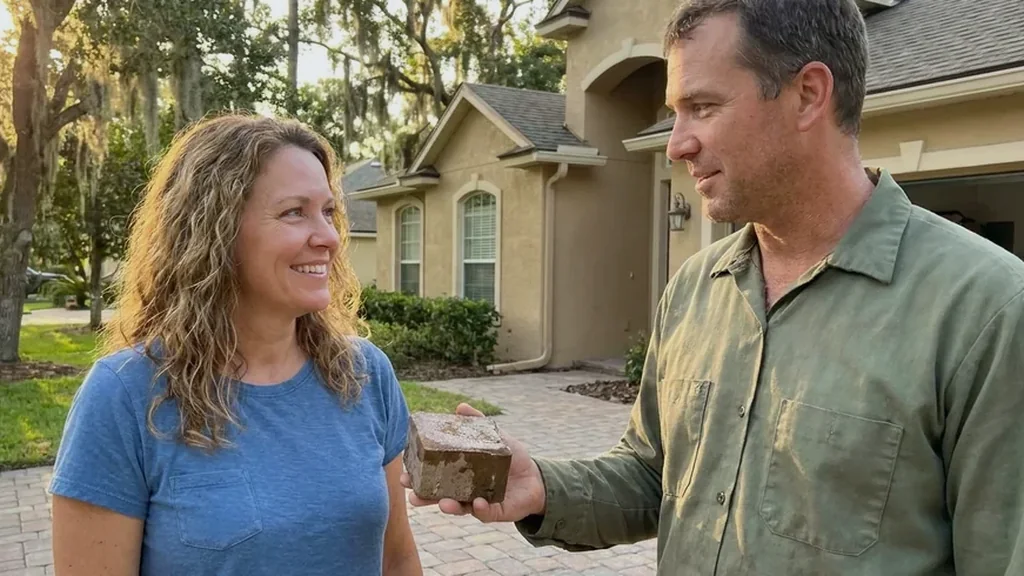
Why local matters in Panama Park
A contractor who works Panama Park knows the older layout: big oaks, compact lots and a river close by. That tells them where to look for root lifts and where damp lingers, which saves time on the first visit and keeps your quote honest. A contractor from across town might price the job without seeing those, then change the number later. For someone who knows these streets, call (904) 842-3763.
North Main Street was the city's northern gateway before Interstate 95 opened, and most of its business buildings went up between the end of World War II and 1960. A contractor who knows where to stage equipment keeps your day moving and your street clear. You can ask for a free estimate online and ask how the work would be set up on your block.
Older homes bring older paver surfaces. A contractor in this area asks when the pavers were laid, who sealed them and with what. Those answers prevent trouble with old product and with joints that were filled long ago. If your home goes back many years, ask for a free estimate online and share what you remember.
What makes Panama Park different from other parts of Jacksonville?
Panama Park began as a mill site before it became a railroad suburb. Charles Sibbald built East Florida's first steam-powered sawmill there in 1828, and Cummer Lumber Company was founded in the area in 1896. If you live on one of those early streets, ask for a free estimate online.
The city bought ten acres for the Panama Park public park on Buffalo Avenue in 1929, and it has a splash pad and ballfields. Lola M. Culver Elementary opened in 1916, and Bert Maxwell Boat Ramp on Maxwell Road opened in 1961 beside the Trout River. If you live near one of these Panama Park sites, call (904) 842-3763 and give your street.
Frequently Asked Questions
What is the average cost to seal pavers in Panama Park?
Budget $1.75 to $3.25 per square foot to clean, sand and seal, which is what Northeast Florida companies commonly publish. The sealer is only part of it, because prep and sand take real hours. Stripping failed sealer first adds to the bill. Get the area listed on the quote. Failed old sealer that must be stripped adds more to the total. A flat, open drive with one surface type sits at the easy end.
Is it good to seal pavers in Panama Park?
Yes, for most homes, and more so on a sunny drive. A coat guards the color from sun fade and keeps sand in the joints when summer storms hit sandy ground. It needs a new coat every few years, so budget for the upkeep. A sealed Panama Park surface also rinses cleaner after a storm.
How much does it cost to have pavers cleaned and sealed on a small Panama Park lot?
The same range applies, $1.75 to $3.25 per square foot, and a front walk or small patio often sits toward the high end. Shade and leaf stains add cleaning time. Ask whether the quote covers sand and stain treatment too. Smaller jobs cost more per foot, though the total is lower.
How long do paver sealers last in Panama Park?
Published quotes call for a new coat every two to five years. Shade, leaf litter and daily use shorten that. Water that soaks in instead of beading is the sign to renew. Shaded, damp surfaces may need attention sooner than a sunny drive. Shade and leaf litter can shorten the life of a coat.
How do I know if my Panama Park pavers need the old sealer stripped?
Peeling, cloudy or flaking sealer is the sign. A Jacksonville exterior cleaning company says failed sealer is stripped first, not coated over. The contractor can tell by looking, and stripping adds to the price. A fresh coat on top of a failed one only hides the trouble for a while. Ask the contractor to point out the failed spots.
Can tree roots ruin my pavers in Panama Park?
They can lift or crack them. Jax Exterior Cleaning says roots from nearby trees can crack pavers or raise a section, and sealing over a lifted spot only preserves it. The contractor resets any low or raised sections before the coat goes on. Pointing out any trip spot at the first visit saves a second trip.
Can high-pressure washing hurt pavers?
Yes, it can if it is too strong. PaverGuard says traditional high-pressure washing can loosen joints and push out joint sand. A careful contractor matches the wash to your surface and replaces the sand afterward. A gentler wash protects the joints.
Why did my sealed pavers turn white in Panama Park?
Usually moisture or too much sealer. A Jacksonville paver company says sealing damp pavers or putting sealer on too thick causes white or blotchy results. Old coats like that may need stripping and a redo. Waiting for a dry day is the surest way to avoid it.
Nearby areas we serve
Ready for a Free Estimate in Panama Park?
Call (904) 842-3763 and tell us about your pavers.
Free, no obligation